
Synesthesia: Chapter Forty-One
serial fiction

I held Amber against my side with one arm and pressed Jacob into my chest with the other, my head scraping against the wooden table above us.
The air was gelatin-thick with orange blossoms. They forced their way into my lungs, drowning me, screaming at me the whole time. Isn’t this what you wanted? they demanded, mocking me. Isn’t this what you’ve chased your whole life?
It was. And it wasn’t.
My body felt electric with the thrill of so much fear, like an orgasm that just wouldn’t end. But it was shot through with a terror I was feeling for perhaps the first time in my life: the terror that something awful might happen to somebody I loved.
I sucked in air in rapid, shallow breaths. I needed to send oxygen to my brain, to figure out what to do next. If Gas Stove was responsible for the explosion, we weren’t safe cowering here under the table. But the orange blossom fear was so heavy, so intoxicating, I felt myself becoming drunk on it when I most needed to be sober and clear-headed.
Focus, I commanded myself. Focus on what’s important.
I pushed away the overwhelming roar from my sense of smell and tried to assess the scene with my other senses.
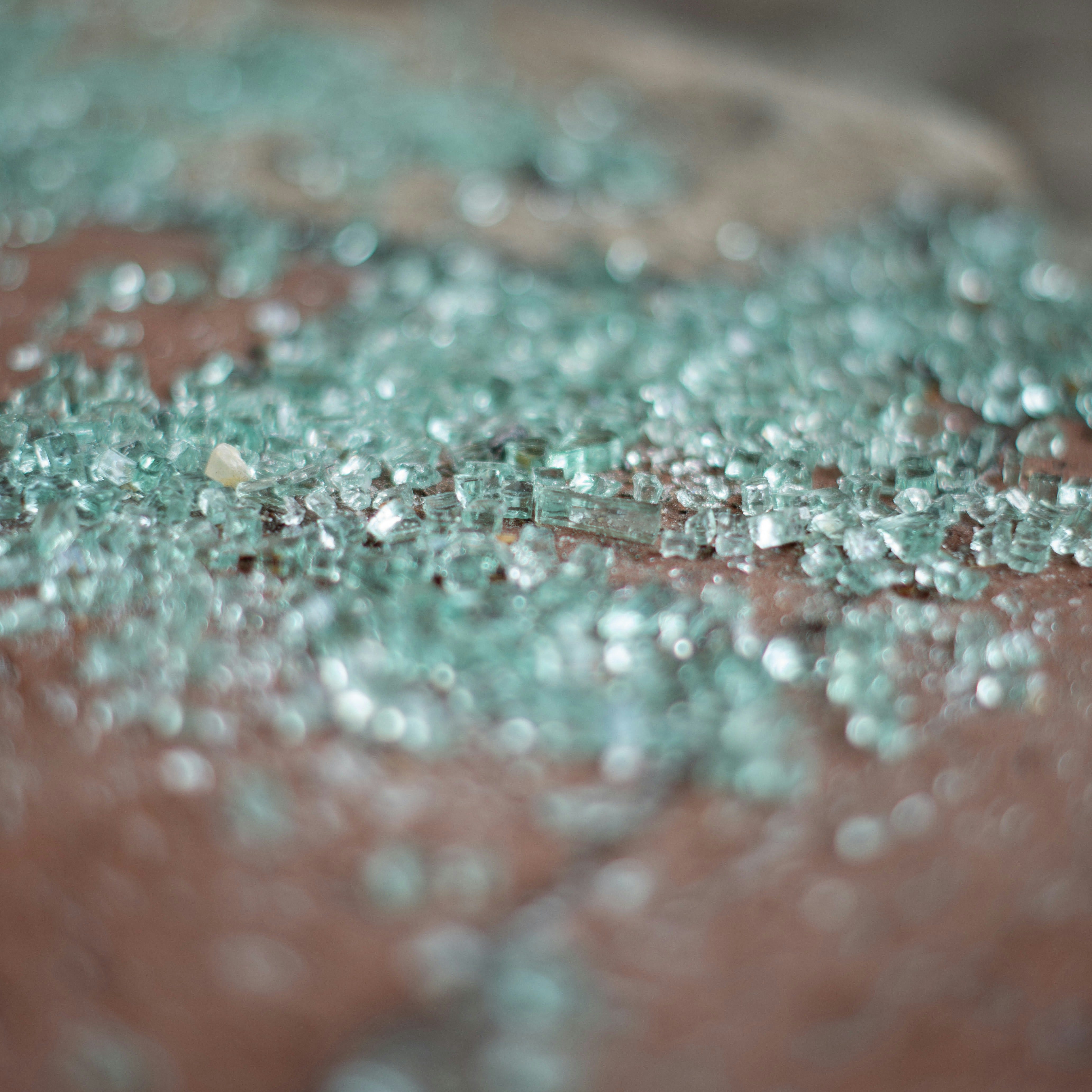
Sight: broken glass on the streaky gray-on-gray carpet. Jagged chunks of shattered safety glass glittering on the floor in front of me.
Touch: Amber’s shoulders trembling. Jacob burrowing into me like a rabbit hiding away inside the earth.
The sound came last, fading in like a volume dial turned slowly to the right.
Voices. Not screams; gasps, murmurs, imprecations. Children crying. Mothers comforting them. Men’s low whistles and quiet expressions of disbelief, all the while trying to come across as unafraid.
One sound was notably absent: the booming, thundering voice of Gas Stove.
I squeezed Amber and Jacob a moment more, then released them. They clung to each other, their pupils wide in the darkness underneath the table.
“Wait here,” I whispered.
Another puff of orange blossom from Amber. Then she nodded, wrapping her arms more tightly around Jacob.
I crawled ungracefully out from under the table, my palms sinking into hard pieces of glass. I stood up, brushing glass off of me. One piece lodged itself under my right big toe, and I reached down to remove it, regretting having traded in my boots for sandals.
When I looked up, I saw the source—and aftermath—of the explosion.
The blunt steel nose of a Cybertruck glinted at me, the wooden splinters of what must once have been a table and chairs spread out before it like the remains of a meal. The massive vehicle was positioned half-in, half-out of the restaurant, straddling the empty space that a few minutes ago had been a wall. Dust from destroyed brick and drywall hung in the air, scentless but stinging my eyes and nose.
The driver sat slumped over the steering wheel, not moving. Not even breathing, it seemed.
I turned away, feeling hot vomit making its way up my esophagus. A single well-chewed breadstick landed on the carpet in front of me, swimming in stomach acid.
I spat out remnants of vomit. My whole body felt cold, despite the sweat that was oozing from me.
The orange blossoms had faded now, but the restaurant was an unreadable confusion of scents and stenches that I couldn’t even begin to unravel. I sniffed the air desperately, trying to smell Amber.
“Amber,” I tried to say, but my throat burned, and the name came out just a scratchy creak.
I cleared my throat and spat again. “Amber,” I said again, and this time she heard it.
“Yeah?” came her voice from under the table, unsure but wanting to trust that I wouldn’t lead her into danger.
I squatted down, coming to eye level with her, and held out my hand. She took it, and the two of them crawled out to join me.
“Holy shit,” Amber whispered, her eye alighting on the Cybertruck.
I hurried to block Jacob’s view of the scene with my hand. “Don’t look,” I said to him.
Instead, he stared up at me, his dark eyes wide, and released one single orange blossom into the dusty air.
We fled the scene. What else could we do? Neither of us wanted to deal with the cops—being interviewed, giving a witness statement, providing contact information. No, that would not be good at all.
So we slipped out the front door before the police and other emergency services arrived. No one seemed to notice or care, in the shock and confusion of what had just happened. We hurried back into the car, peeled out of the parking lot, and were soon back on the road heading north. Two ambulances screamed past us toward the south, and I thought again of the slumped, lifeless form of the Cybertruck driver. My stomach heaved, but there was nothing left in it to come up.
The highway north was narrow, lined with towering pine trees and pleasant, peaceful-looking houses of pale brick and sage-green painted wood. Ahead of us lay the serrated outline of distant mountains. As I drove, I imagined myself living in a house like that: mowing the lawn, washing the car, puttering in the garage on weekends.
I shuddered. What an awful thought.
“Aren’t these houses beautiful, Zode?” Amber sighed, her breath a ripple of peaches.
I gripped the wheel harder. So Amber wanted a house in the suburbs, and probably also a husband who’d be happy to mow the lawn and wash the car. A beautiful fantasy for her, but a nightmare for me—one I’d managed to escape when I finally moved out to live on my own.
“I guess,” I said, trying to keep a poker face.
“I’ve always wondered what it would be like to live in a real house,” she continued. “You know, with a yard and everything. A real lawn to mow. Maybe a car in the garage. And then wash it in the driveway, you know?” She sighed again, eyeing the passing houses with envy.
I glanced at her. “You’ve never lived in a house?” I asked, confused.
She shook her head, her eyes still hungrily devouring the sight of the quaint little houses in the pines. “Nah,” she said. “Not a real one with a yard. Just apartments.”
The faint scents of cotton candy and buttered popcorn hung in the air, and under that, the sadness of baking bread.
I looked at her, concerned. “What?” I asked.
Amber looked down toward her lap, and I noticed a redness in her cheeks that hadn’t been there before.
“Well, you know, sometimes we had an apartment to live in. Sometimes it was just…” She trailed off, and I understood what she’d felt too ashamed to say out loud.
“It’s okay,” I heard myself say. “You’ll have a real home someday.” I glanced into the rearview mirror at Jacob, who had fallen asleep and had his head tilted back against the seat back, his mouth open wide. “We all will.”